Introduction: 30s Pulp Noir — The Final Issue
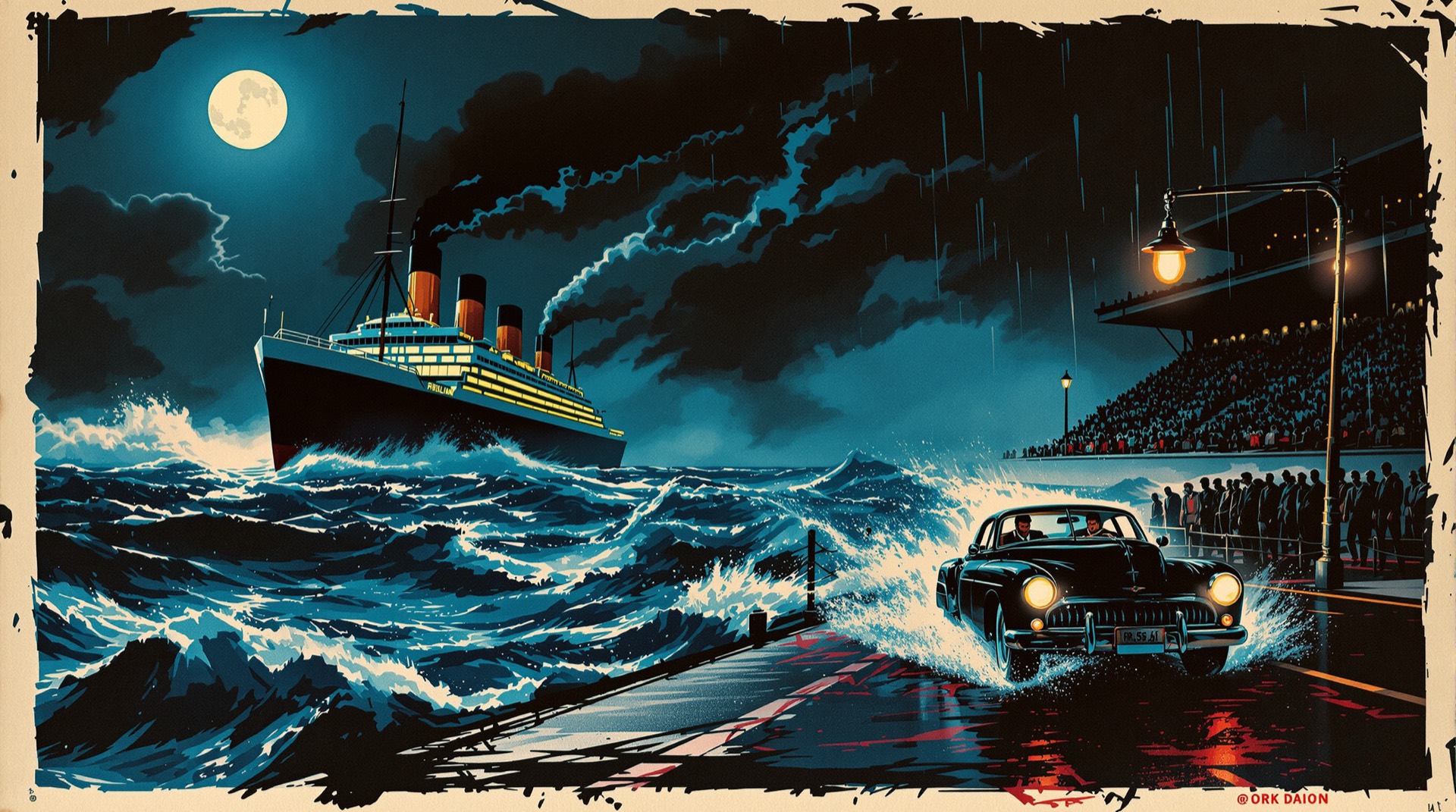
Every zine should be lucky enough to choose its own ending. For its farewell, Hardluck Stories went back to the source: the pulp magazines of the 1930s, the cheap, glorious newsstand fiction factories from which the whole hardboiled tradition descends. The introduction tells the story of the issue that closed the zine's five-year run.
Ed's Idea
The theme was Ed Gorman's idea, and — as the editors' introduction admitted — a pretty damn good one: have the final issue pay tribute to the zine's roots, the pulps of the 30s. Almost anything was fair game as long as it was noirish and captured the vibe of a 30s pulp story. The only exclusion was private-eye stories — the editors feared the issue would tip into pastiche if it filled up with them. Gorman and founding editor Dave Zeltserman read submissions together, and once again had to turn away terrific stories for space. Jean-Pierre Jacquet returned one final time to provide the illustrations, allowing Hardluck, in the introduction's words, to go out in style.
What the Issue Delivered
The result was a collection that would have made the old pulps proud: stories filled with high-seas adventures, headhunters, deadly boxing matches, fixed horse races, mobsters, bank robbers, psychopaths, tribal vengeance, cons, crimes, and dames. The contributors — among them John McFetridge, Garnett Elliott, Bill Crider, James Reasoner, Barry Baldwin, and Terrie Farley Moran — took the assignment seriously, writing not parodies of pulp but the real article: fast, vivid, morally loaded stories in the tradition of Black Mask and its three hundred newsstand siblings. The full table of contents is in the Archives.
The Tradition Being Honored
The pulps were a major form of entertainment in the Twenties, Thirties, and Forties — dozens of titles a month, spanning everything from the gothic heroics of The Shadow to the street realism that became hardboiled crime fiction. From those magazines evolved many of the stories and tropes crime writers still use. Surviving issues are now collector's items and research objects; thousands have been digitized in the Internet Archive's Pulp Magazine Archive, where readers can see exactly what Hardluck's final issue was toasting. The deliberate echo was the point: a 2008 web-zine, itself a cheap and fast publishing technology scorned by respectable outlets, saluting the cheap and fast publishing technology of 1933.
Why End at Five Years
Plenty of zines die by simply not updating; Hardluck chose a finale instead. The decision reflected a truth about volunteer publishing that the introduction never needed to spell out: a quarterly zine run to professional standards consumes the same hours a novel does, and by 2008 the founding editor's fiction career was demanding them. Ending on a planned, themed, fully illustrated issue — rather than fading out mid-volume — protected the zine's integrity and gave contributors a destination worth aiming for one last time.
Going Out With a Bang
The introduction closed with thanks — to everyone who contributed, everyone who submitted, to co-editor Ed Gorman, and to Jacquet for the artwork. Five years, thirteen-plus themed issues, hundreds of stories, and a final bow built on gratitude: it remains a model for how a small publication should end. For how it began, see The Zine; for the call that filled this issue, see the one last call for submissions.