Introduction: Psycho Noir — Fall 2006
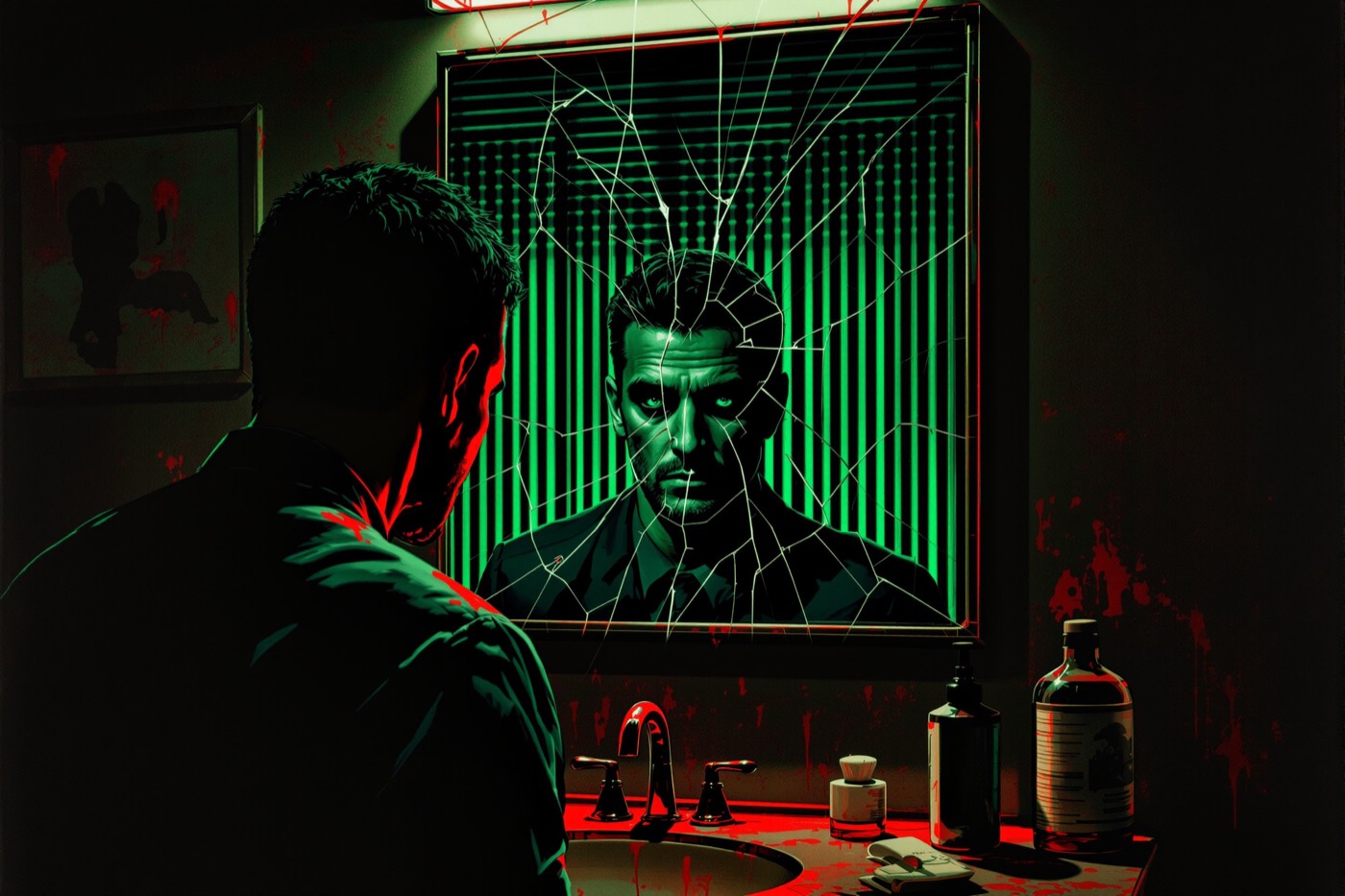
The Fall 2006 issue was the one closest to the founding editor's heart, and he took the guest chair himself to make it. Its theme needed defining before it could be commissioned — and the introduction's attempt at that definition remains one of the most useful things the zine ever published about noir itself.
Defining Psycho Noir
The term gets used loosely for noirish films with a psychotic edge — Taxi Driver, for instance — and the introduction confessed that half an hour of searching produced no definitive definition. So the editor supplied his own: Psycho Noir is the natural way to describe Jim Thompson's best and most psychotic works — Hell of a Woman, Savage Night, The Killer Inside Me, A Swell-Looking Babe, and Pop. 1280. These are books populated by characters whose perception of reality is just skewed and off-kilter enough to destroy them, along with anyone who has the misfortune of getting too close. Reading them is startling and exhilarating in equal measure, as it slowly dawns on you that the people working so hard to convince you they're normal are actually mad, bad, and very dangerous. An energy buzzes through those books that is hard to find anywhere else in crime fiction — and that energy was the assignment.
The Challenge
The call put it plainly: write the type of stories that would make Jim Thompson proud — stories on the edge of madness, where the protagonist's perceptions and rationalizations are just off-center enough to send them to hell. In the editor's judgment, the writers more than met it. The issue's ten stories — by Pearce Hansen, Kaye George, Craig Corey, William Tanner, Patricia Abbott, Jon Bassoff, Raymond Embrack, Richard C. Rogers, Paul Marks, and William Boyle — buzz with the same psychotic energy as the best of Thompson, which the introduction called the highest praise it could offer. Pure noir at heart: brutal, hard-hitting, nothing watered down; characters dancing on the edge of madness and destined to slip down the wrong side. Jean-Pierre Jacquet's accompanying artwork gave the issue its perfect face.
What Made the Issue Distinct
Other Hardluck themes were settings or archetypes; Psycho Noir was a voice. The stories share no geography, era, or crime — what they share is the unreliable interior, the narrator whose self-justifications the reader gradually learns to read against. That makes this issue the zine's purest craft exercise: every story succeeds or fails on the management of distance between what the protagonist believes and what the page reveals. It is also why the issue reads as freshly now as it did on publication; the technique doesn't date.
Thompson's Long Shadow
The issue doubles as a primer on the most influential strain in midcentury noir. Thompson published more than twenty-five novels, mostly as cheap paperback originals, and died in 1977 before the revival that made him canonical; his rediscovery in the late 1980s and early 1990s reshaped an entire generation of crime writers, including several in this issue's table of contents. Readers who want the source material should start with the five novels the introduction names — and essays at CrimeReads regularly map his influence on the contemporary field. Several contributors to this issue went on to substantial careers; Jon Bassoff in particular built one squarely in psycho-noir territory.
The complete table of contents is in the Archives. For the editor's broader thinking on what makes noir last, read Lessons in Noir, published two issues earlier.