Introduction: Femme Fatales — Winter 2007
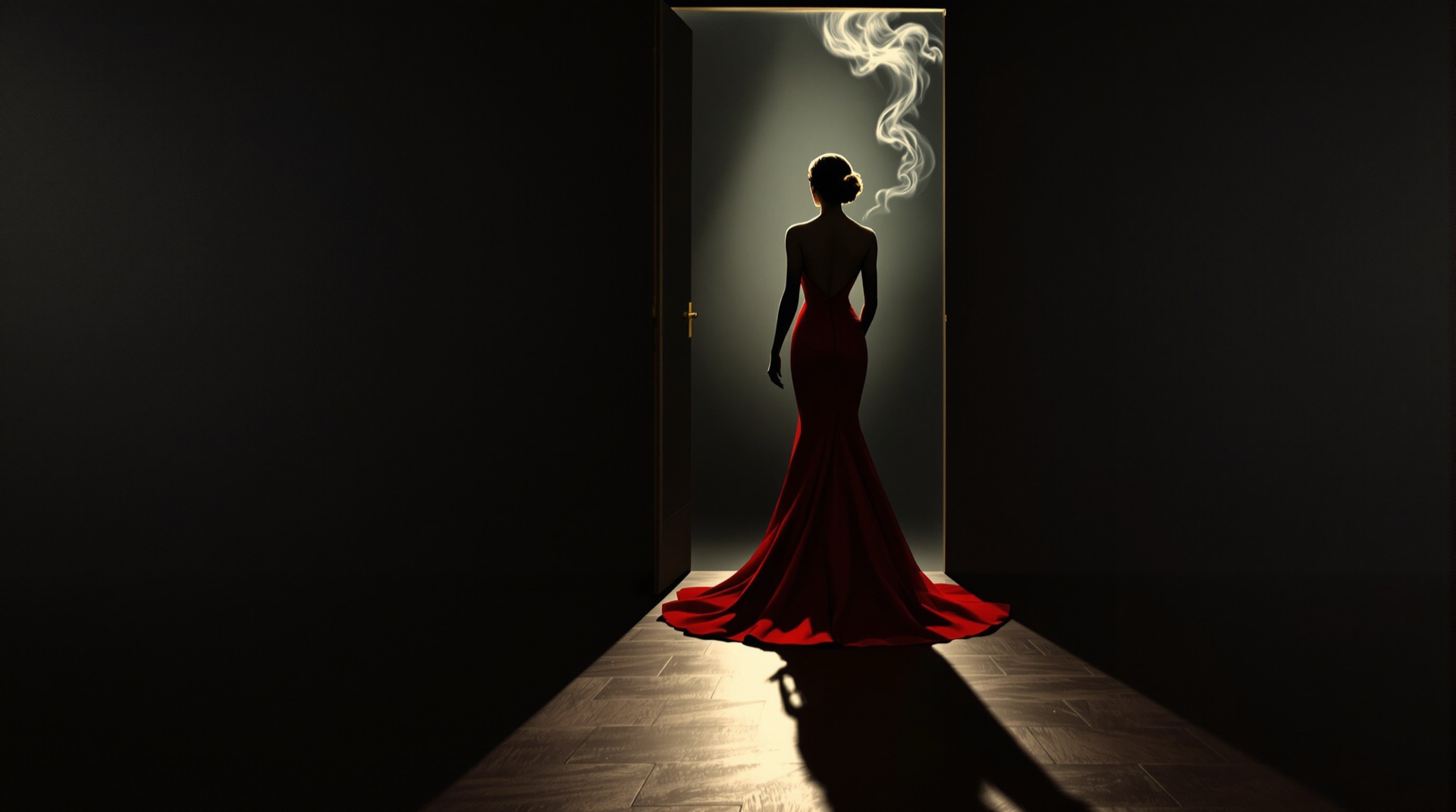
For the Winter 2007 issue, Hardluck Stories handed the editor's chair to O'Neil De Noux — New Orleans crime writer and former homicide detective — and pointed him at one of noir's oldest archetypes. His introduction was equal parts invitation, natural history, and warning label.
The Invitation
The original call to writers laid out the archetype with relish. A good woman can bring out the best in a man; a bad woman the exact opposite; the femme fatale can bring out both. These wily women use every gift at their disposal — from the carnal to the cerebral, from crass to classy, from cunning to conniving — to get their way. They are alluring, sometimes mesmerizing enough to lure their prey into destructive decisions: feline-exquisite, soft and beautiful, like the leopard — pound for pound nature's most efficient killing machine. They can suck the life out of good guys, turn winners into chumps, and leave innocent bystanders panting in the gutter. And men, the call noted, aren't necessarily the only prey; women can be seduced as well. Then again, there are men and women who know just how to handle these fatal females.
De Noux's Frame
The editor declined, deliberately, to list the famous examples — the introduction joked that starting with Double Indemnity's Phyllis Dietrichson would produce a list as long as the book. Instead he reached for natural history: in nature the female is often the more efficient hunter, especially among the felines and canines, never mind the black widow and the praying mantis. Humans like to imagine men as hunters and women as nest-builders, but, as he put it, we know that's not always the way it goes — which, in his opinion, is what makes humans the most interesting creatures on the planet. The introduction ended with a fair warning: some of the men in these pages don't make it through the night. Some deservedly so. Readers were invited to make a date with one of these lethal ladies and see what happens.
The Issue
Thirteen writers answered: Trey Barker, Michael Bracken, Pearce Hansen, Garnett Elliot, Stephen D. Rogers, George Wilhite, John J. Wilson, Patricia Abbott, Matt Spencer, T. P. Keating, Rafe MacGregor, Mary Elizabeth Merrem Shaw, and Terry White — one of the largest tables of contents the zine ever ran, befitting an archetype with infinite variations. The full list of stories is in the Archives.
An Editor Built for the Theme
De Noux brought unusual authority to the chair. A former homicide detective who had worked real cases in New Orleans before turning to fiction, he had seen what manipulation, desperation, and bad love actually do — and his introduction's wry, taxonomic tone reflects a man cataloguing a species he had met professionally. Under his hand the issue avoided the archetype's lazy versions; the fatal women in these thirteen stories scheme for reasons, and the men who fall are complicit in their falls.
The Long Tradition
The femme fatale predates noir by millennia — the type runs from myth and Victorian melodrama through the spider women of 1940s film noir and into every era of crime fiction since. What the Hardluck issue understood, and what keeps the archetype alive against its critics, is that the best femme fatale stories are never really about the woman; they're about the chooser — the narrator who sees the danger plainly and walks toward it anyway. That trajectory of self-destruction freely chosen is noir's signature move, and this issue ran thirteen variations on it. For the zine's other deep dives into noir archetypes, see the Psycho Noir introduction.